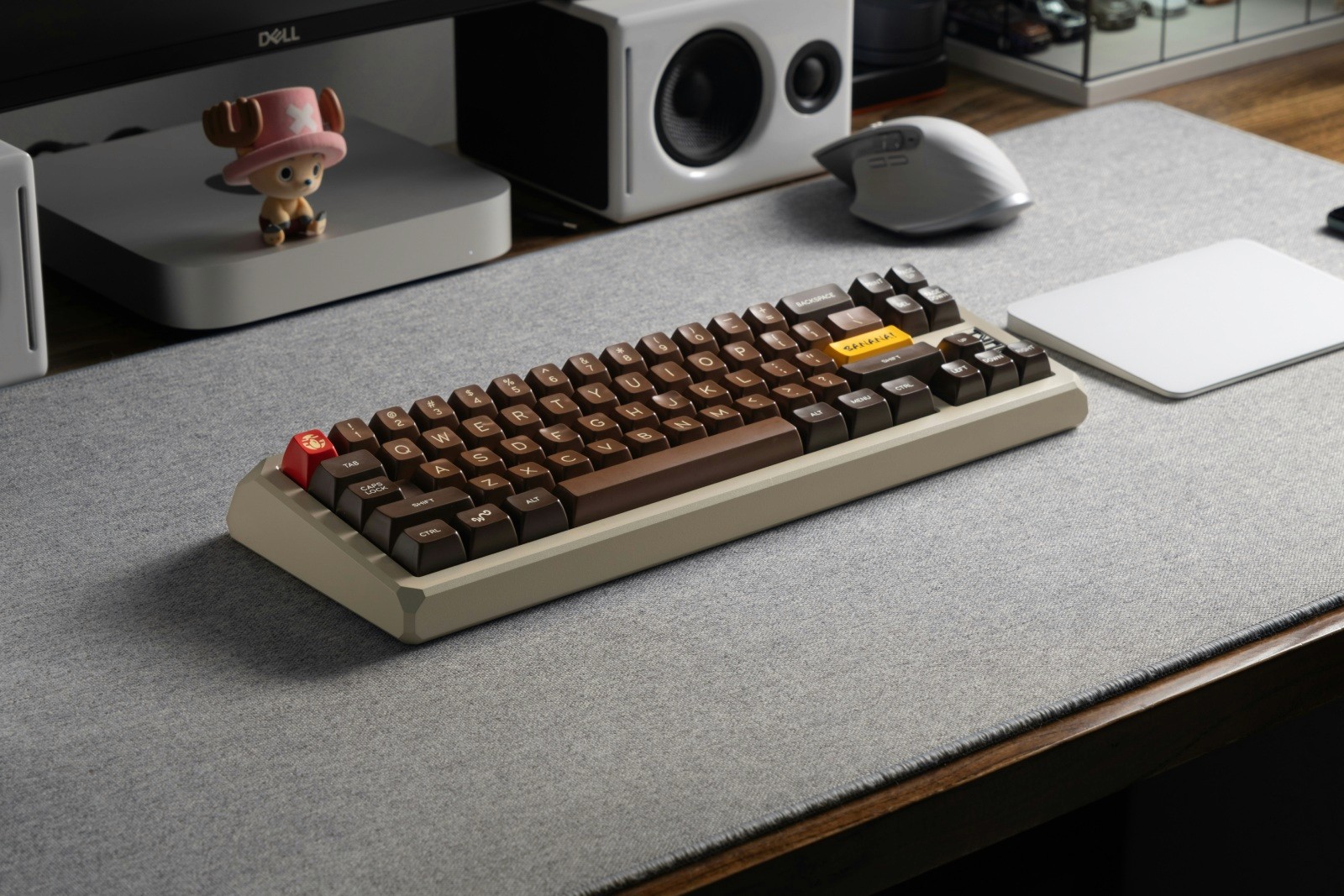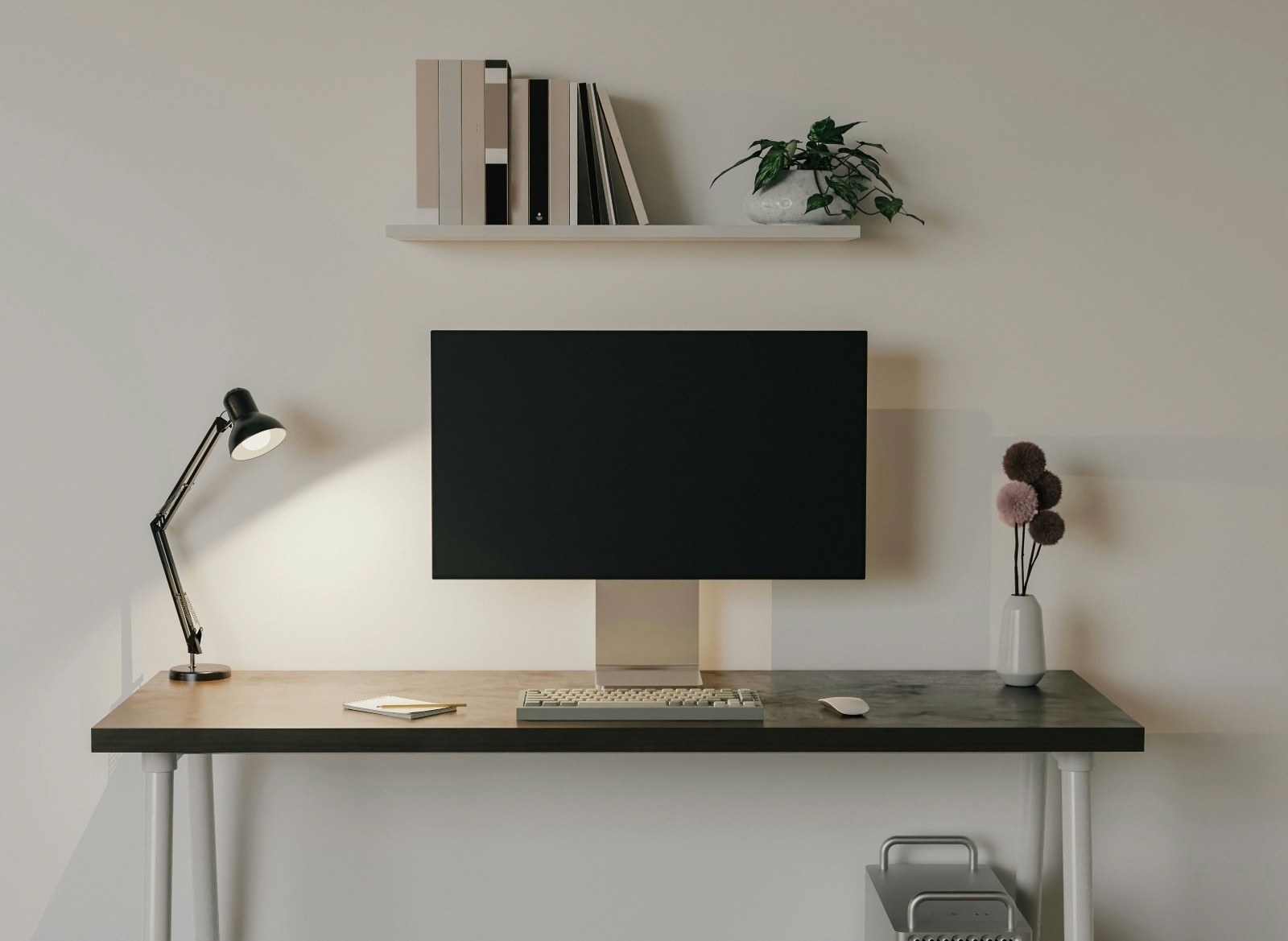
In today’s fast-moving world, staying focused at work is harder than ever. Notifications, clutter, and scattered tools can quietly drain your energy. A minimalist workspace helps reduce those distractions so you can concentrate with more ease.
You don’t need expensive furniture or a perfect setup. Minimalism is about choosing what matters and letting go of the rest. When your space is clean and intentional, your mind can focus more naturally.
The Case for a Minimalist Workspace
A cluttered workspace leads to mental noise. Your brain is forced to process more than necessary, which leads to fatigue. Minimalism creates space — not just physically, but mentally. When your surroundings are quiet, your thoughts are clearer.
Instead of empty, think intentional. Keep only the tools you need, and make sure your space supports how you want to feel while working.
How to Begin Minimizing Your Workspace
You don’t need a full overhaul. Start small and refine as you go. Focus on making simple, thoughtful choices that serve your flow and clarity.
Simple ways to start:
Clear your desk and only put back daily essentials
Use one calming object instead of several decorations
Hide unused cables, tools, or paper clutter
Close tabs and keep your desktop clean
These tiny changes can add up. When your space feels lighter, your mind does too.
Focus Comes from Intention
Everything in your environment affects your ability to focus — light, colors, layout. Try using natural light, soft tones, and a layout that reduces visual noise. The goal is to feel calm the moment you sit down.
Digital clutter counts too. Turn off notifications you don’t need and organize your digital tools so you’re not hunting for what matters.
Final Thought
Your workspace influences your mindset. When it’s simple, calm, and clear, it’s easier to think deeply and work without stress. A minimalist space isn’t about having less — it’s about having enough to support your focus.